Coatings for Aggressive Environments

Corrosion‑protective primer‑finish coating, two‑component, glossy, acrylic‑polyurethane, weather‑resistant.
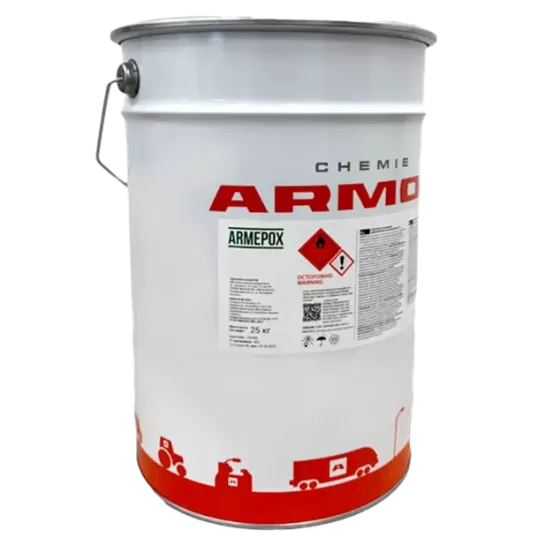
acrylic‑polyurethanethick‑coat applicationcolored according to ral, ncs and sample

Epoxy‑phenolic chemical‑resistant coating, ideally suited for tanks, pipelines and equipment that contacts fuel and industrial chemicals.
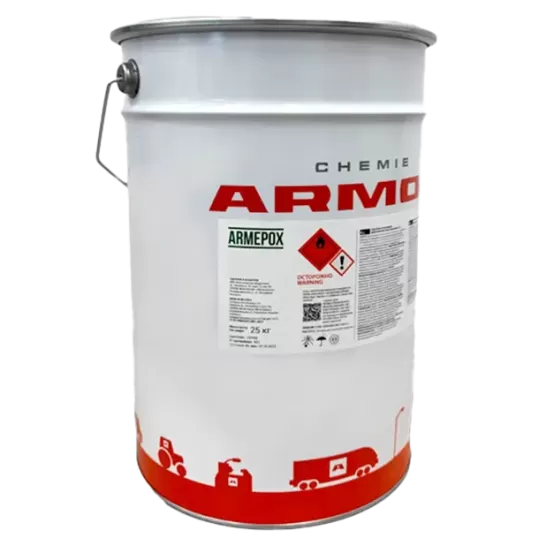
phenol‑epoxyhigh chemical resistancelight gray

Epoxy barrier coating reinforced with iron slag (MIO). Provides reliable protection of metal surfaces as an intermediate barrier layer in multilayer systems.

epoxybarrier propertiesgray

Two‑component epoxy primer‑finish coating with abrasion resistance, reinforced with glass flakes.
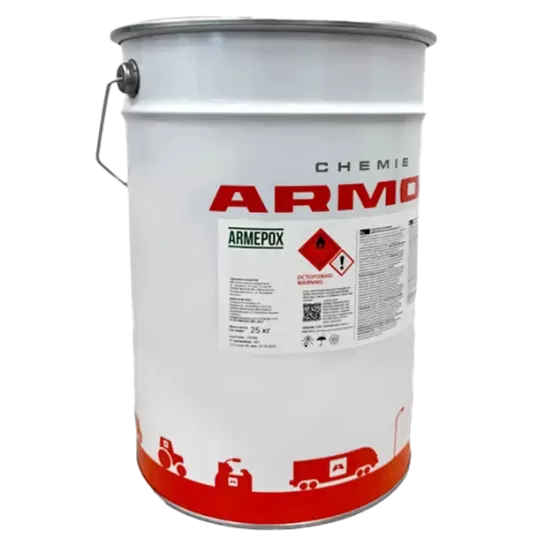
epoxyabrasion resistancecolored (limited)

Two‑component epoxy putty that permits painting on incompletely prepared surfaces. It is used for repair painting and in conditions where high‑quality surface preparation cannot be ensured.

epoxysurface tolerantlight gray red‑brown

Two‑component epoxy primer‑finish coating with abrasion resistance, reinforced with glass flakes.

epoxyabrasion resistancedark gray black
Total 1 - 6 из 6

FAQ

In a broad sense, almost any environment is aggressive for unprotected metals and will cause corrosion to some degree. Modern standards classify corrosion activity in detail.
Generally, an aggressive environment refers to operating conditions in which the protected structure is exposed to factors that accelerate material degradation. These include continuous contact with chemicals (acids, alkalis, salts, petroleum products), operation in high humidity or marine climates, exposure to industrial gases, de‑icing agents, or complete immersion of the structure in liquid media (water, soil, process solutions).

  • High‑build epoxy materials. Epoxy‑based coatings provide high chemical resistance and adhesion. This is the standard solution for protecting the internal surfaces of tanks, underground structures, and hydraulic facilities.
  • Epoxy‑novolac coatings. Used under extreme conditions requiring maximum chemical resistance to aggressive media (acids, alkalis, hot crude oil) during continuous contact.

For immersion service, each case requires a precise analysis of the environment: stored product, pH level, and temperatures (maximum and operating).

These are primers with a high content of zinc powder (up to 80–85% in dry film). They provide a sacrificial (galvanic) protection mechanism for steel: when a scratch or chip exposes bare metal, zinc oxidizes first, “sacrificing” itself to protect the iron.

Use of zinc‑rich primers is fully justified in highly aggressive environments. However, their application has important specifics:

  • Thorough surface preparation — at least Sa 2.5 with sufficient surface roughness.
  • Cannot be applied over old coatings. Zinc works only in direct contact with bare steel.
  • Constant mixing during application to prevent zinc settling.
  • Due to their porosity, zinc‑rich primers are not standalone coatings; they must be overcoated with subsequent layers to ensure long‑term protection.