Wear‑Resistant Coatings

Two‑component epoxy primer‑finish coating with abrasion resistance, reinforced with glass flakes.

epoxyabrasion resistancecolored (limited)
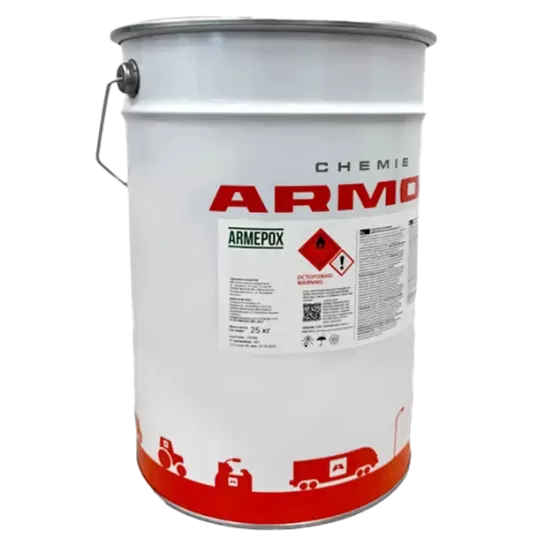
Two‑component epoxy putty that permits painting on incompletely prepared surfaces. It is used for repair painting and in conditions where high‑quality surface preparation cannot be ensured.

epoxysurface tolerantlight gray red‑brown

Two‑component epoxy primer‑finish coating with abrasion resistance, reinforced with glass flakes.

epoxyabrasion resistancedark gray black

Two-component acrylic‑polyurethane finish with deep matte effect, cured with an aliphatic isocyanate, provides a smooth, scratch‑resistant surface with a gloss of 5–10 %.

acrylic‑polyurethanehigh scratch resistanceColored according to RAL, NCS and sample
Total 1 - 4 из 4

FAQ

These are coatings that, compared to conventional paint systems, provide significantly better resistance to continuous friction, impact, scratching, and abrasive (sandblasting‑like) effects, while still performing all fundamental coating functions: corrosion protection, decorative appearance, and additional operational tasks (facilitating unloading of stored materials, extending the service life of the substrate, etc.).

The recommended coating thickness depends on the type of structure being protected and the intensity of mechanical loads. For elements operating under moderate abrasion (railings, ramp components, exterior equipment surfaces), the total dry film thickness typically ranges from 150–200 μm. For areas exposed to extreme wear — such as bulk‑material hoppers, bodies of heavy‑duty vehicles, or storage tanks — high‑build systems with a total thickness of 200–400 μm are applied.

Exact parameters are always selected individually according to the project’s technical specification. Coating types may also differ: for example, hard high‑build epoxies may perform poorly under point impacts, whereas acrylic‑polyurethanes, although less hard, are significantly more elastic.

Yes, preparation is essential. When using high‑build coatings, surface roughness is critically important for proper adhesion — typically 70–80 μm, which is higher than standard requirements.
In general, high‑quality preparation to Sa 2.5 (ISO 8501‑1) — complete removal of rust and mill scale down to clean metal — provides a reliable substrate that allows the coating to withstand impacts and abrasion.