Methods for Removing Paint and Coatings. Part 3: Chemical Removal
In the first article of the series, we examined the mechanical method of paint removal: hand and power tools, and their applicability for spot repairs and weld cleaning. In the second article, we discussed the abrasive blasting method (Sa grading per ISO 8501-1): types of abrasives—from angular grit to copper slag—factors affecting removal speed (air pressure, grain fraction), dust-free technologies (wet abrasive, UHP water jetting, cryogenic, and soft blasting), as well as limitations such as the risk of warping thin metal and ineffectiveness against ultra-elastic coatings.
Today, we will cover the third method—chemical removal.
Chemical Removal
The chemical method for removing old paint and coatings is based on the physicochemical breakdown of the paint's polymer matrix under the action of special organic solvents or chemical formulations. In industrial practice, this method is used where mechanical or abrasive blasting is impossible: when cleaning thin-walled parts with complex geometries, aircraft components, aluminum and galvanized surfaces, or when stripping ultra-durable polymer coatings (such as powder coats).
Classification of Industrial Strippers and Physics of the Process
Modern chemical formulations are divided by their physical state into liquids, gels, and pastes. Based on their chemical nature and mechanism of action on polymers, they are classified into three main groups:
Organic (neutral) strippers. Formulated based on a complex of strongly polar organic solvents (dichloromethane, acetone, toluene, esters, dimethyl sulfoxide), corrosion inhibitors, and surfactants. To reduce evaporation, paraffins or special wax compounds are introduced, forming a protective film on the surface during dwell time.
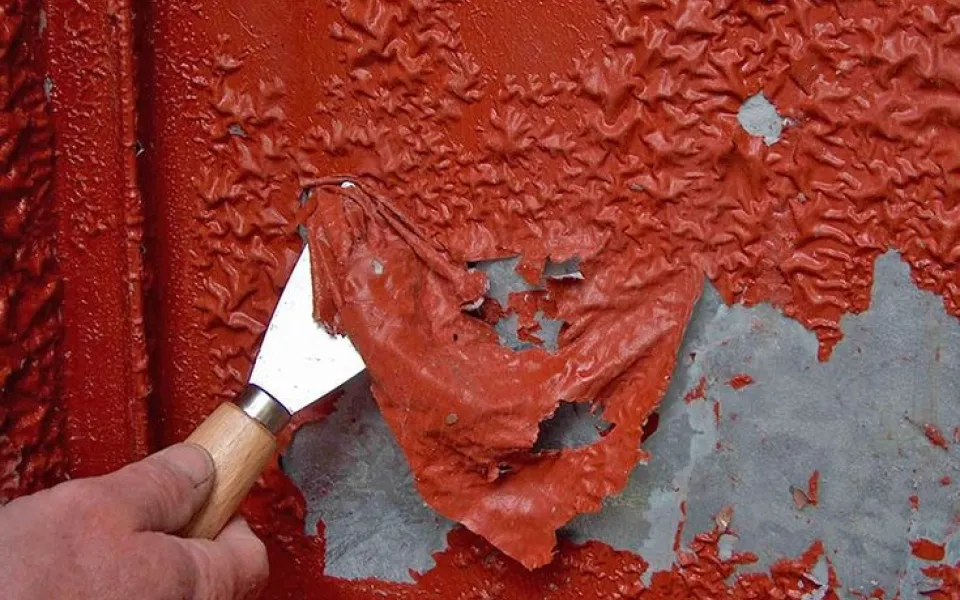
Mechanism of action: Solvent molecules are small in size and have high penetrating power. They diffuse through the pores of the topcoat, reach the adhesion layer (primer), and cause it to swell significantly. The volume of the polymer network increases, generating critical internal stresses that break the bonds between the primer and the metal substrate. The paint wrinkles or peels off in uniform sheets.
Acidic formulations. Aggressive strippers, most commonly containing phosphoric, formic, or other organic acids.
Mechanism of action: The acidic component enters into a direct chemical reaction with the paint binder (especially in alkyd and polyester systems), breaking down the chemical cross-links of the three-dimensional polymer. The stripper literally hydrolyzes and dissolves the paint, turning it into a loose mush.
Alkaline strippers. Solutions based on sodium or potassium hydroxide with the addition of complexing agents. They are primarily used via immersion in heated tanks. They are indispensable for the mass cleaning of steel parts from oil-based, bituminous, and simple alkyd varnishes, as they induce the saponification of fatty acids contained in these coatings.
Removing Durable Industrial Coatings (Epoxies, Polyurethanes, Powder Coatings)
Stripping modern industrial two-component (2K) systems and powder paints is the most challenging technological task. After curing, these materials form a densely cross-linked three-dimensional molecular network that is resistant to standard solvents.
Specialized, long-acting industrial gels are used to work with them. Special penetration activators (such as benzyl alcohol or formic acid) are added to their formula, capable of breaking strong polyester and epoxy bonds.
When removing powder coatings, the stripper is applied in a thick layer (up to 1–2 mm). Due to its thixotropic properties, the gel clings to vertical surfaces without sagging. Dwell time can range from 30 minutes to several hours. As a result, the powder layer completely loses adhesion to the metal, blisters, and can be easily removed with a standard scraper.
Process Regulations: Sludge Removal and Neutralization
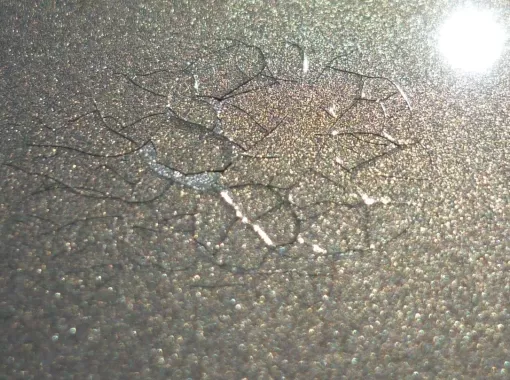
A critical mistake many painters make is applying a new primer immediately after mechanically scraping off chemically softened paint. If even microscopic traces of stripper components remain on the surface, they will chemically react with the new paint. This leads to immediate blistering, loss of adhesion, or the formation of "craters" and pinholes in the fresh coating.
Mandatory Post-Treatment Protocol:
Bulk removal: The softened coating is scraped off with spatulas or brushes into designated waste containers.
Solvent or water rinsing: The surface is thoroughly washed to remove stripper residues and dissolved polymers. For neutral organic strippers, active solvents (such as R-5 or R-4, containing toluene and acetone) are used to completely eliminate traces of waxes and paraffins.
Aqueous neutralization: When using acidic or alkaline strippers, the surface is rinsed with large volumes of pressurized water (sometimes with passivating agents added, such as soda ash solutions to neutralize acids).
Drying: The metal is immediately dried with compressed air to prevent flash rusting.
Limitations of the Chemical Method
High toxicity and safety requirements. Most effective industrial strippers contain volatile organic compounds (VOCs) hazardous to the respiratory tract and skin. Working with them requires powerful supply-and-exhaust ventilation (or working strictly outdoors), full-face respirators with Class A carbon filters, and chemically resistant gloves.
Substrate specificity (chemical compatibility). Aggressive alkaline and certain acidic strippers are strictly prohibited on aluminum, zinc, or copper parts. They react with the base metal itself, causing deep etching, embrittlement, or complete dissolution of the protective galvanized layer.
Economics when treating large areas. The chemical method relies on manual labor during application and sludge removal. On large surfaces (such as a bridge span or a 5,000 m³ storage tank), the consumption of expensive strippers and labor time for manual scraping make the method economically unviable compared to high-productivity abrasive blasting.